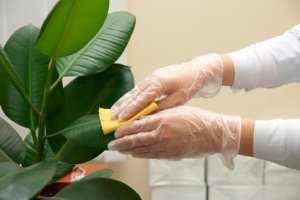
So many women email me and ask me what they can do to keep from cleaning all weekend. They ask me how to get their weekends back because they're tire of cleaning all day. There are many different ways to accomplish this based on the way your life is organized. But here is how I keep from cleaning all day Saturday or Sunday.
Monday
The first Monday of the month I clean the carpet in my living room. I dust the bookshelves and electronics. I take everything out the living room that is not supposed to be there and separate it into a designated bin for each family member. When everyone comes home, they can put away their own crap.
Tuesday
The first Tuesday of the month I clean the dining area carpets. I dust the chandelier and put away anything that is out of place.
Wednesday
The first Wednesday of the month I clean the carpet in the children's room. I do their laundry and put it away. I never do more loads of laundry than I have the time or energy to put away in that moment. I remake their beds with fresh sheets and dust. I also clean their bathroom.
Thursday
I mop all of the floors in the house. I do this every week. I declutter the kitchen and refrigerator.
Friday
I don't do a damn thing in the house. I might clean my car out if I am going somewhere. But other than the usual touch ups, I don't do any cleaning.
Saturday
My bathroom is the cleanest in the house. So while I'm getting ready, I clean it. While my children are napping, I do my own laundry and and clean my carpet on the first Saturday of the month. I wake up between 6 am and 7:30 am depending on my children. I am done with my room by the time we leave the house at 9:45am.
Sunday
I don't do anything. I make my children clean up their own room and touch up their own bathroom.
This is why I am never cleaning house all weekend. Doing a little everyday allows you more time to do other things. Daily touch ups prevent a 12 hour day of scouring something that could have been cleaned up days earlier. I also keep a bin in the living room for all of my toddler's toys to be thrown into at the end of playtime. It's less work than carting them all the way back to her bedroom just to see her drag them back out. I keep everyone's laundry separate so that if only one person's laundry needs to be done, I don't have to sort through an entire house of laundry to find it. Also, it allows me to wait until I have more time and energy to do the other laundry. By touching up the floors at least every other day I find that the bucket mopping is less labor intensive. Cleaning the carpets at least once a month prevents irreversible damage and make your house look cleaner that it is.
Do what ever works for you. Just make sure you divide your chores among a five day period. And of course, delgate!
Wednesday, November 7, 2012
Monday, November 5, 2012
What Moms Want Everyone To Know
No Means No
You are at the bank and a child wants a free sucker. The mother tells the child no. Along comes a stranger that has heard her deny your child this piece of candy. They bend down and hand the child a piece of candy anyway. Here is what the mother of that child is thinking.
1. If I wanted my child to have the candy, I never would have said no in the first place.
2. By giving my child that candy, you have inadvertently taught my child to accept candy from strangers.
3. You have no idea what dietary limits my child has. What if what you just gave him makes him sick?
4. You are undermining my authority as a parent. I said no, that should be the end of it.
Always respect a parent's wishes. They know what's best for their child. You have no right to grant permission to have or do anything of which a parent has explicitly denied. It teaches a child that if mom says no, someone else will say yes. You have now shown this child to ignore his mother's authority.
Mind Your Business
You are at the grocery store and you turn the corner down the cereal isle. You hear a woman speaking sternly with her child. She says, "Stop it, right now. Do NOT make me take you outside." The child seems to be recovering from hysterics or at the very least a crying fit. You don't like what the mother is saying to the child so you stand by and watch or decide to talk to the child to lighten the mood. Here is what the mother would like you to know.
1. You have no idea why this child is in trouble and you are therefore incapable of determining the appropriate tone I should take when resolving this issue.
2. I finally get my child to calm down after throwing an epic temper tantrum after I have told him for the fourteenth time in three minutes that he could not have any sugar cereal. Here you come giving him an audience, thus encouraging him to drag out the tantrum even longer.
When you come upon a child that is in the midst of discipline, play deaf and blind. This deprives the child of an audience. It is very embarrassing for the adult to have to publicly discipline their child. In today's society, a mother is constantly concerned both about someone accusing her of abuse, and someone confronting her for not disciplining her child enough. A mother is not free to be a mother under those circumstances. As long as there is no abuse taking place, you should allow the mother the freedom to do what she feels is necessary to solve the problem. Some discipline must take place publicly to discourage public meltdowns by the child. Ironically, it is those who join in on the discipline and take the mother's side who offer the most help.
I once came upon a mother with twin toddlers and a son about two to three years older that them. He was not listening to her instructions. I stayed out of the situation to allow her to parent. But then the child knocked all of the cans on the shelf to the floor in a raging fit. The mother looked like she was about to literally break his neck for it. I intervened. "Pick-it-up...nooow." I said in my Amittyville Horror voice, leaning down over the child. "Don't you ever embarrass your mother in public again." The child was caught off guard. Strangers were supposed to step in and save him from punishment not call him on his bad behavior. The mother was grateful and the child behaved for the remainder of the shopping trip. I stepped in because I could see that the power struggle was about to escalate to a potentially unhealthy level. But in intervening, I maintained the mother's authority and reaffirmed the expectation of the respect he owed her.
Stranger Danger
You see the cutest kid you have ever seen walking down the street with her mother. You can't resist the temptation to talk to her. You say hello, and ask her name. The more you talk the closer the mother holds the child. You sense that she doesn't want you talking to her child but you don't understand why. Here is what the mother is thinking.
1. You are a stranger. You have no business approaching my child.
2. How can I teach my child about stranger danger if you're in her face talking to her when you should be talking to me?
I know that some children are so adorable that you just want to love them, and pet them, and call them George. But your actions are that of a stranger. A small child lacks the ability to reason whether a person is a dangerous or safe stranger. Approaching a child and asking their name is placing them in a situation they are not equipped to handle. You are also forcing the mother to decide between being rude to you or allowing you, a stranger, to talk to her child. Consider the safety of the child before you approach her. Tell the mother how cute you find her to be. Ask the mother what the child's name is. Leave the child alone.
You are at the bank and a child wants a free sucker. The mother tells the child no. Along comes a stranger that has heard her deny your child this piece of candy. They bend down and hand the child a piece of candy anyway. Here is what the mother of that child is thinking.
1. If I wanted my child to have the candy, I never would have said no in the first place.
2. By giving my child that candy, you have inadvertently taught my child to accept candy from strangers.
3. You have no idea what dietary limits my child has. What if what you just gave him makes him sick?
4. You are undermining my authority as a parent. I said no, that should be the end of it.
Always respect a parent's wishes. They know what's best for their child. You have no right to grant permission to have or do anything of which a parent has explicitly denied. It teaches a child that if mom says no, someone else will say yes. You have now shown this child to ignore his mother's authority.
Mind Your Business
You are at the grocery store and you turn the corner down the cereal isle. You hear a woman speaking sternly with her child. She says, "Stop it, right now. Do NOT make me take you outside." The child seems to be recovering from hysterics or at the very least a crying fit. You don't like what the mother is saying to the child so you stand by and watch or decide to talk to the child to lighten the mood. Here is what the mother would like you to know.
1. You have no idea why this child is in trouble and you are therefore incapable of determining the appropriate tone I should take when resolving this issue.
2. I finally get my child to calm down after throwing an epic temper tantrum after I have told him for the fourteenth time in three minutes that he could not have any sugar cereal. Here you come giving him an audience, thus encouraging him to drag out the tantrum even longer.
When you come upon a child that is in the midst of discipline, play deaf and blind. This deprives the child of an audience. It is very embarrassing for the adult to have to publicly discipline their child. In today's society, a mother is constantly concerned both about someone accusing her of abuse, and someone confronting her for not disciplining her child enough. A mother is not free to be a mother under those circumstances. As long as there is no abuse taking place, you should allow the mother the freedom to do what she feels is necessary to solve the problem. Some discipline must take place publicly to discourage public meltdowns by the child. Ironically, it is those who join in on the discipline and take the mother's side who offer the most help.
I once came upon a mother with twin toddlers and a son about two to three years older that them. He was not listening to her instructions. I stayed out of the situation to allow her to parent. But then the child knocked all of the cans on the shelf to the floor in a raging fit. The mother looked like she was about to literally break his neck for it. I intervened. "Pick-it-up...nooow." I said in my Amittyville Horror voice, leaning down over the child. "Don't you ever embarrass your mother in public again." The child was caught off guard. Strangers were supposed to step in and save him from punishment not call him on his bad behavior. The mother was grateful and the child behaved for the remainder of the shopping trip. I stepped in because I could see that the power struggle was about to escalate to a potentially unhealthy level. But in intervening, I maintained the mother's authority and reaffirmed the expectation of the respect he owed her.
Stranger Danger
You see the cutest kid you have ever seen walking down the street with her mother. You can't resist the temptation to talk to her. You say hello, and ask her name. The more you talk the closer the mother holds the child. You sense that she doesn't want you talking to her child but you don't understand why. Here is what the mother is thinking.
1. You are a stranger. You have no business approaching my child.
2. How can I teach my child about stranger danger if you're in her face talking to her when you should be talking to me?
I know that some children are so adorable that you just want to love them, and pet them, and call them George. But your actions are that of a stranger. A small child lacks the ability to reason whether a person is a dangerous or safe stranger. Approaching a child and asking their name is placing them in a situation they are not equipped to handle. You are also forcing the mother to decide between being rude to you or allowing you, a stranger, to talk to her child. Consider the safety of the child before you approach her. Tell the mother how cute you find her to be. Ask the mother what the child's name is. Leave the child alone.
Friday, November 2, 2012
Non-Medicinal Cold Treatments
At the first sign of a cold, most of us run to the local drugstore and buy a bottle of cold syrup or a box of cold pills. We also add lozenges and drinks, anything that will make us think we are getting better. The reality is, there is nothing that will help you get over a cold faster. There are several medicines that will make your symptoms go away, but the virus is definitely still there. How many times have you gotten over a cold and then a week or two later someone else in your home has the same cold? This is because you never got rid of your cold. You hid your symptoms and eventually passed it on due to a false sense of security. By treating your cold without medicine, you can be more aware of what is happening in your body and will be less likely to spread it throughout your family.
Runny Nose and Sneezing
If these are the first symptoms of your cold, chances are high that you are suffering an allergy cold. When your nose runs, it is because your nasal receptors have been irritated by an allergen. Your body tries to rid itself of this irritant by expelling it with a sneeze. If that doesn't work, it turns on the water works. If you know what you're allergic to, rid your home, office and car of it immediately. You can avoid the cold that follows. If you must use medicine, use a nasal allergy spray. Keep using it until the symptoms stop. This means your body is winning the battle with the allergen and doesn't need any more of your help. Document the first sign of the attack so that you can be prepare for the next one. If you don't have medicine the best thing to do, other than avoid the allergen, is to blow your nose. If you use a medicine for a runny nose, it will stop the process that was designed to make you better. By blowing your nose, you prevent the mucus from thickening and causing congestion and you prevent the thinner mucus from draining down you nasal passage into your lungs, (post nasal drip).
Cough
Coughing is such an annoying and painful symptom to have to live with. In order to cough, your lungs fill up with air and your diaphragm forces the air out in an attempt to force the phlegm from your lungs. It is your body's way of preventing bronchitis and pneumonia. This process causes aches in your core muscles, your neck, your head, and even your shoulders. The best way to deal with it is to listen to your own cough the same way you would listen to and evaluate a child's cough. If something is coming up, your body doesn't need any help from you. But if the cough is frequent and causing discomfort, blow your nose. Yes, blow your nose. If you find that the cough is coming in waves or cycles, then post nasal drip is the cause. Post nasal drip leads to the lungs and causes a cough. Prevent the mucus from getting in there in the first place. After blowing your nose drink water or hot tea with honey. The water washes the mucus down so it can't cause further damage. It also detoxes your body so it can spend less time trying to hydrate you and removing toxins, and more time fighting the virus. The hot tea warms the phlegm in your lungs making it easier to cough up. The honey soothes your throat. If you must take medicine, Robistussin is the best on the market because it isolates specific symptoms and treats them with different formulas so that you aren't taking medicine for symptoms you don't have. Consider this, if you go to the emergency room with bronchitis, they give you Robitussin with Codine.
Wine
For those who partake, this could make having a cold a less unpleasant thing. One of the active ingredients in cough syrup is alcohol. It helps with sleep, aches, and coughs. Alcohol increases blood flow to the capillaries. This makes coughing easier and thus more productive.
Cayenne Pepper
It's a disgusting remedy but a remedy nonetheless. Spicy foods in general increase blood flow which allows for quicker healing. So sprinkling this spice into some tea will deliver it to your throat and help it heal faster. You could also put it in a spray bottle. Of course there is always Chloraseptic.
Coffee
My favorite to drink is the organic, rainforest blend available at Costco. I drink it whenever I have an allergy attack or a regular cold. The caffeine increases blood flow which helps with nasal allergies and coughs.
Camomile
This helps you sleep and lets your muscles recover from the intensity of making you shiver or cough.
Hot Toddy
It matters not how you spell it or what recipe you use. The bottom line is that it makes you feel good. Why? It's alcohol. You feel warm and tingly and cough less. You'd be better off with a glass of wine or a shot of rum.
Mint
Very helpful in opening nasal passages and providing that cooling menthol feeling.
Vapor rubs
Made with eucalyptus it allows you to breathe and makes coughing easier. If you add a few drops of camphor oil, you will find that it relieves aches as well. Grab a tube of Icy Hot and you will see camphor in the ingredients.
Ibuprofen vs. Acetaminophen
Whenever you take your child to the pediatrician or urgent care, she is given Tylenol which is acetaminophen. They recommend it as a fever reducer because it is more difficult to over-medicate with it. If you read the bottle, there are more doses allowed in a 24 hour period than there are for ibuprofen. However, take your child to the emergency room with a fever, they give her Motrin, which is an ibuprofen. They never get concerned about a fever not coming down with Tylenol. But tell them that Motrin didn't work and watch them bring out the doctors and monitors. Typically, acetaminophen is for headaches and sharp pains. This is why it is given in stronger doses after surgeries. Ibuprofen works best for swelling and muscle aches. After my cesarean, I was given acetaminophen. After my natural delivery, I was given ibuprofen. For a cold, if you must use one, I recommend ibuprofen. It's your muscles that ache and the fever that wipes you out.
Myths
The cold weather is what makes you sick. This is false. The common cold is a virus that is spread by way of saliva and mucus. Since the germs from a cough can travel approximately 3 feet after you've coughed, it's easy to see why everyone in your house is always sick. When you step out into cold weather, the mucus and phlegm thickens, causing the infected person to cough and sneeze harder. The uninfected are just sitting ducks. Most people take cold medicine which means they think their cold is gone when it is merely subdued yet contagious like chicken pox scabs. So that person comes out into the world rubbing their nose (mucus), coughing into their hands and clothes, (more infected mucus), touching doorknobs and computer keyboards, talking to you (spit=infected saliva).
Hand sanitizer is helpful. As much as I am against hand sanitizer because it makes you sicker and makes recovery more difficult, this is a fact. The cold virus lives for 3 days on objects. So the infected should use the hand sanitizer, not for their own benefit, but for others. Use disinfectant wipes on doorknobs, steering wheels, remote controls etc. Consider this fact. The air in all transportation vehicles is recycled. Sometimes there is nothing you can do to avoid it.
Colds only last about a week. This is false. By the time you know you have a cold, you have potentially carried the virus for up to a week prior. Cold medicine labels tell you to see a doctor if symptoms persist after 7 days because they are manufactured to prevent the symptoms. If this isn't working then there is something seriously wrong. But your cold will persist beyond 7 days without symptoms. This is why your family members get sick. You think you're healthy and you're infecting others.
Honey works better than cough syrup. This is true and false. According to the U.S. National Library of Medicine, "dextromethorphan is used to temporarily relieve cough caused by the common cold, the flu, or other conditions. Dextromethorphan will relieve a cough but will not treat the cause of the cough or speed recovery. Dextromethorphan is in a class of medications called antitussives. It works by decreasing activity in the part of the brain that causes coughing." As of March 14, 2012 the same source states that,
"Cochrane reviews have assessed the effectiveness of over‐the‐counter (OTC) cough medications, but none have studied honey as a cough relief. A review of two small randomised controlled trials (RCTs) showed that honey was moderately better than 'no treatment' for the relief of cough, reducing bothersome cough, improving quality of sleep for children and parents and reducing the severity of cough. This review included two small trials involving 265 children, aged two to 18 years. The effects of honey and dextromethorphan on symptomatic relief of cough, bothersome cough, and quality of sleep for both child and parent did not differ. Honey may be better than diphenhydramine for symptomatic relief of cough, reducing the severity of cough, and improving sleep quality for both parent and child. Dextromethorphan and diphenhydramine are both common ingredients in cough medications." As a parent, i'll take the natural remedy over the drug with the overdose warning.
Runny Nose and Sneezing
If these are the first symptoms of your cold, chances are high that you are suffering an allergy cold. When your nose runs, it is because your nasal receptors have been irritated by an allergen. Your body tries to rid itself of this irritant by expelling it with a sneeze. If that doesn't work, it turns on the water works. If you know what you're allergic to, rid your home, office and car of it immediately. You can avoid the cold that follows. If you must use medicine, use a nasal allergy spray. Keep using it until the symptoms stop. This means your body is winning the battle with the allergen and doesn't need any more of your help. Document the first sign of the attack so that you can be prepare for the next one. If you don't have medicine the best thing to do, other than avoid the allergen, is to blow your nose. If you use a medicine for a runny nose, it will stop the process that was designed to make you better. By blowing your nose, you prevent the mucus from thickening and causing congestion and you prevent the thinner mucus from draining down you nasal passage into your lungs, (post nasal drip).
Cough
Coughing is such an annoying and painful symptom to have to live with. In order to cough, your lungs fill up with air and your diaphragm forces the air out in an attempt to force the phlegm from your lungs. It is your body's way of preventing bronchitis and pneumonia. This process causes aches in your core muscles, your neck, your head, and even your shoulders. The best way to deal with it is to listen to your own cough the same way you would listen to and evaluate a child's cough. If something is coming up, your body doesn't need any help from you. But if the cough is frequent and causing discomfort, blow your nose. Yes, blow your nose. If you find that the cough is coming in waves or cycles, then post nasal drip is the cause. Post nasal drip leads to the lungs and causes a cough. Prevent the mucus from getting in there in the first place. After blowing your nose drink water or hot tea with honey. The water washes the mucus down so it can't cause further damage. It also detoxes your body so it can spend less time trying to hydrate you and removing toxins, and more time fighting the virus. The hot tea warms the phlegm in your lungs making it easier to cough up. The honey soothes your throat. If you must take medicine, Robistussin is the best on the market because it isolates specific symptoms and treats them with different formulas so that you aren't taking medicine for symptoms you don't have. Consider this, if you go to the emergency room with bronchitis, they give you Robitussin with Codine.
Wine
For those who partake, this could make having a cold a less unpleasant thing. One of the active ingredients in cough syrup is alcohol. It helps with sleep, aches, and coughs. Alcohol increases blood flow to the capillaries. This makes coughing easier and thus more productive.
Cayenne Pepper
It's a disgusting remedy but a remedy nonetheless. Spicy foods in general increase blood flow which allows for quicker healing. So sprinkling this spice into some tea will deliver it to your throat and help it heal faster. You could also put it in a spray bottle. Of course there is always Chloraseptic.
Coffee
My favorite to drink is the organic, rainforest blend available at Costco. I drink it whenever I have an allergy attack or a regular cold. The caffeine increases blood flow which helps with nasal allergies and coughs.
Camomile
This helps you sleep and lets your muscles recover from the intensity of making you shiver or cough.
Hot Toddy
It matters not how you spell it or what recipe you use. The bottom line is that it makes you feel good. Why? It's alcohol. You feel warm and tingly and cough less. You'd be better off with a glass of wine or a shot of rum.
Mint
Very helpful in opening nasal passages and providing that cooling menthol feeling.
Vapor rubs
Made with eucalyptus it allows you to breathe and makes coughing easier. If you add a few drops of camphor oil, you will find that it relieves aches as well. Grab a tube of Icy Hot and you will see camphor in the ingredients.
Ibuprofen vs. Acetaminophen
Whenever you take your child to the pediatrician or urgent care, she is given Tylenol which is acetaminophen. They recommend it as a fever reducer because it is more difficult to over-medicate with it. If you read the bottle, there are more doses allowed in a 24 hour period than there are for ibuprofen. However, take your child to the emergency room with a fever, they give her Motrin, which is an ibuprofen. They never get concerned about a fever not coming down with Tylenol. But tell them that Motrin didn't work and watch them bring out the doctors and monitors. Typically, acetaminophen is for headaches and sharp pains. This is why it is given in stronger doses after surgeries. Ibuprofen works best for swelling and muscle aches. After my cesarean, I was given acetaminophen. After my natural delivery, I was given ibuprofen. For a cold, if you must use one, I recommend ibuprofen. It's your muscles that ache and the fever that wipes you out.
Myths
The cold weather is what makes you sick. This is false. The common cold is a virus that is spread by way of saliva and mucus. Since the germs from a cough can travel approximately 3 feet after you've coughed, it's easy to see why everyone in your house is always sick. When you step out into cold weather, the mucus and phlegm thickens, causing the infected person to cough and sneeze harder. The uninfected are just sitting ducks. Most people take cold medicine which means they think their cold is gone when it is merely subdued yet contagious like chicken pox scabs. So that person comes out into the world rubbing their nose (mucus), coughing into their hands and clothes, (more infected mucus), touching doorknobs and computer keyboards, talking to you (spit=infected saliva).
Hand sanitizer is helpful. As much as I am against hand sanitizer because it makes you sicker and makes recovery more difficult, this is a fact. The cold virus lives for 3 days on objects. So the infected should use the hand sanitizer, not for their own benefit, but for others. Use disinfectant wipes on doorknobs, steering wheels, remote controls etc. Consider this fact. The air in all transportation vehicles is recycled. Sometimes there is nothing you can do to avoid it.
Colds only last about a week. This is false. By the time you know you have a cold, you have potentially carried the virus for up to a week prior. Cold medicine labels tell you to see a doctor if symptoms persist after 7 days because they are manufactured to prevent the symptoms. If this isn't working then there is something seriously wrong. But your cold will persist beyond 7 days without symptoms. This is why your family members get sick. You think you're healthy and you're infecting others.
Honey works better than cough syrup. This is true and false. According to the U.S. National Library of Medicine, "dextromethorphan is used to temporarily relieve cough caused by the common cold, the flu, or other conditions. Dextromethorphan will relieve a cough but will not treat the cause of the cough or speed recovery. Dextromethorphan is in a class of medications called antitussives. It works by decreasing activity in the part of the brain that causes coughing." As of March 14, 2012 the same source states that,
"Cochrane reviews have assessed the effectiveness of over‐the‐counter (OTC) cough medications, but none have studied honey as a cough relief. A review of two small randomised controlled trials (RCTs) showed that honey was moderately better than 'no treatment' for the relief of cough, reducing bothersome cough, improving quality of sleep for children and parents and reducing the severity of cough. This review included two small trials involving 265 children, aged two to 18 years. The effects of honey and dextromethorphan on symptomatic relief of cough, bothersome cough, and quality of sleep for both child and parent did not differ. Honey may be better than diphenhydramine for symptomatic relief of cough, reducing the severity of cough, and improving sleep quality for both parent and child. Dextromethorphan and diphenhydramine are both common ingredients in cough medications." As a parent, i'll take the natural remedy over the drug with the overdose warning.
Sunday, October 21, 2012
What Every Woman Should Know About Her Vehicle
Carburetors
Cars made after 1994 are made with fuel injection systems. They replaced carburetors. If your mechanic starts talking about a carburetor for your 2006 Toyota Corolla, you have a problem.
Fluid Checks
Most car problems begin with a poor management of fluids. This is everything from gasoline to radiator fluid. Know how, where, and when to check your fluids. If the light is on, it's too late. When checking your fluids do it when the car has sat for at least an hour. Otherwise, removing a hot radiator cap will do more than burn your hand. When checking your oil, wipe the dipstick clean with a rag, reinsert it, then pull it out again. If the oil is below the fill line your oil is low. If it is below the add line, you have NOT been taking care of your car. Add oil immediately and go get an oil change. Make sure they change your oil filter. If your oil is dark or black, get an oil change.
Brakes
The most obvious sign you need new brake pads is a squeaky sound. However, if you have a Jeep Grand Cherokee made no later than 2005, you will hear squeaking no matter what. Another sign you need new brake pads is brake dust on your wheels. If your wheels have a reddish brown or coppery colored dust on them, usually only on the front wheels, you have gone passed the point of squeaking and really need new brake pads now. Go longer than this stage and you will hear and feel grinding. Your brake pad replacement price just doubled. You are now grinding your rotors. Nine times out of ten your rotors can be resurfaced. But depending on how bad it is, it's safer just to replace them. If you suspect your mechanic is snowing you over, which happens the moment they see the brake dust, ask to see the rotors. If they can't show you or haven't even removed the tires or brake pads, leave.
Jumper cables
When connecting the cars, make sure the car that's doing the charging (#1)is in the same class or higher than the car being charged (#2). Don't charge a Ford Expedition with a Dodge Neon. Use an F-150 or an Escalade for example. Turn off all power to car #1. Place both cars in park or neutral if standard. Turn on the heater or air conditioner of car #2. This protects your electrical system. Connect the red terminals first. Use the red jumper cable clamp on car #2 battery first, and then the red terminal on the good battery in car #1. Next, connect the black cable on any unpainted metal surface on the engine bay of car #2. This will act as a ground. Connect the other end to the negative terminal on the good battery. Make a VISUAL inspection of the cables, making sure these are not loose in any way. Start the engine on car #1. Lightly step on the gas to increase RPM to about 1,500. The alternator will be charging the battery and giving enough voltage to charge the dead battery momentarily. Start car #2 engine. As soon as the engine starts, turn off the A/C or heater. Let both engines run for about five minutes, to give the dead battery enough charge. Disconnect the jumper cables starting with the black terminal on car #1, then the grounding cable on car #2. Then disconnect the red terminal on car #2 and then the red terminal on car #1. When in doubt, read the instructions on the bag the cables came in, assuming you still have it. If the battery sputters out shortly after, you need a new battery.
Flat Tire
Always travel with a full sized spare in your car. Have one mounted if you can't have it in your car. There is nothing worse than being on a road trip or somewhere far from home with your kids and your dog in the car, and all you have to get you home is a donut or nothing at all. If you drive an SUV or a truck, a full size spare is CRUCIAL. Always test the jack that comes with your car, every car comes with one. Make sure it is the jack that was intended for that car. You don't want to find out in an emergency that you have a jack meant for a Mini but you drive a Suburban. Standard jacks, the ones that the manufacturer included, always come with a tire iron or a tool to remove the lugs (the bolts holding the tire on). Always place the jack close to the wheel under the actual frame of the car. If you aren't sure which place is safest, check your manual. Do not change a tire on a hill. Loosen the lugs on the tire. This might take some elbow grease. But don't remove them. Raise the car just high enough to lift the tire off of the ground. Remove the lugs, put them in your pocket or your bra. If you've ever seen A Christmas Story you will know why this is important. Remove the tire by pulling it towards you and rolling it away. This is a very easy and simple process. If it has become difficult, you're doing it wrong. The most difficult part is lifting the spare tire if it's large, keeping track of the lugs, and the exertion of removing them. Remember, righty tighty, lefty loosey. Put the new tire on, you will need to support the weight of the tire as you line it up and slide it on. Apply the lugs by hand, then tighten them with the tire tool. DON'T OVER TIGHTEN. Make sure the tire is flush against the disc behind it. You don't want it tilted in any way. Lower the car. Tighten the lugs as tight as they will go without stripping the lugs. When you get home, Leave your spare in place and buy a new tire to replace the spare.
Overheating
There are two major causes to an overheating vehicle, radiator leak or a failing water pump. The radiator is always behind the grill of your car. If there is any moisture or green liquid on the ground at the front of your car. You have a radiator leak. Do NOT drive your car. Call a mechanic. If you heard a strange swishing sound, like rushing water, or the sound of pump running out of water, your water pump just quit. Fix it immediately or your fan belt will be next.
Tension Pulley
Ever stop at a red light and hear an infernal squealing coming from under the hood of the car idling next to you? That's the sound of a tension pulley going out. It holds the serpentine belt. When the tension pulley goes out, the belt is no longer aligned. You will hear a constant squeal whenever your car is running. The belt will eventually shred and break. This will lead to a host of problems no one can afford. If you hear this squeal, pull over and call a tow truck.
Parts
Always ask for your parts back. Don't just say that you want your parts back, write it on the estimate or any document you are asked to sign. If work is done on your vehicle and the parts are not given to you as requested, the work is free. Also, if a mechanic does any work on your car without asking you first or that is not included on the estimate, you are not responsible for it. They will threaten you or refuse to release your car. Simply call the police or contact the Bureau of Automotive Repairs. Unauthorized work, no matter how necessary they say it is, is still unauthorized. Know what the parts you request should look like. If they show you brake drums and your car has brake discs for the rear brakes, then they aren't giving you the parts. Keep the parts they give you as proof that your parts were not returned.
Recalls
Know what is wrong with your car before it goes wrong. All Ford SUV's and trucks from 2000 to 2010 run the risk of blowing a spark plug. There is a kit for this issue provided to any mechanic looking to fix this problem. But if you don't know that this is an expected problem, you may spend more money in the long run. Why pay for a spark plug change in a car that is prone to blowing spark plugs in the first place? Solve the recall problem instead. The tune up is included. Do the tune up first, and you wind up paying for the two services separately.
Warranties
Know what's covered under warranty. It's better to take your car to the dealer when you have a warranty. Get a diagnostic on the car so that you are aware of what's wrong with it or potentially wrong with it no less than 3 days before the warranty expires. This way, if there is a problem with your car, and a mechanic says you need a new this or that, you can show the diagnostic that says he's wrong. However, if he's right, he'll stand his ground. You may have an issue to take up with your dealer. Even though the warranty has expired, the problem existed before it ended. They have to make the repair for free.
Cars made after 1994 are made with fuel injection systems. They replaced carburetors. If your mechanic starts talking about a carburetor for your 2006 Toyota Corolla, you have a problem.
Fluid Checks
Most car problems begin with a poor management of fluids. This is everything from gasoline to radiator fluid. Know how, where, and when to check your fluids. If the light is on, it's too late. When checking your fluids do it when the car has sat for at least an hour. Otherwise, removing a hot radiator cap will do more than burn your hand. When checking your oil, wipe the dipstick clean with a rag, reinsert it, then pull it out again. If the oil is below the fill line your oil is low. If it is below the add line, you have NOT been taking care of your car. Add oil immediately and go get an oil change. Make sure they change your oil filter. If your oil is dark or black, get an oil change.
Brakes
The most obvious sign you need new brake pads is a squeaky sound. However, if you have a Jeep Grand Cherokee made no later than 2005, you will hear squeaking no matter what. Another sign you need new brake pads is brake dust on your wheels. If your wheels have a reddish brown or coppery colored dust on them, usually only on the front wheels, you have gone passed the point of squeaking and really need new brake pads now. Go longer than this stage and you will hear and feel grinding. Your brake pad replacement price just doubled. You are now grinding your rotors. Nine times out of ten your rotors can be resurfaced. But depending on how bad it is, it's safer just to replace them. If you suspect your mechanic is snowing you over, which happens the moment they see the brake dust, ask to see the rotors. If they can't show you or haven't even removed the tires or brake pads, leave.
Jumper cables
When connecting the cars, make sure the car that's doing the charging (#1)is in the same class or higher than the car being charged (#2). Don't charge a Ford Expedition with a Dodge Neon. Use an F-150 or an Escalade for example. Turn off all power to car #1. Place both cars in park or neutral if standard. Turn on the heater or air conditioner of car #2. This protects your electrical system. Connect the red terminals first. Use the red jumper cable clamp on car #2 battery first, and then the red terminal on the good battery in car #1. Next, connect the black cable on any unpainted metal surface on the engine bay of car #2. This will act as a ground. Connect the other end to the negative terminal on the good battery. Make a VISUAL inspection of the cables, making sure these are not loose in any way. Start the engine on car #1. Lightly step on the gas to increase RPM to about 1,500. The alternator will be charging the battery and giving enough voltage to charge the dead battery momentarily. Start car #2 engine. As soon as the engine starts, turn off the A/C or heater. Let both engines run for about five minutes, to give the dead battery enough charge. Disconnect the jumper cables starting with the black terminal on car #1, then the grounding cable on car #2. Then disconnect the red terminal on car #2 and then the red terminal on car #1. When in doubt, read the instructions on the bag the cables came in, assuming you still have it. If the battery sputters out shortly after, you need a new battery.
Flat Tire
Always travel with a full sized spare in your car. Have one mounted if you can't have it in your car. There is nothing worse than being on a road trip or somewhere far from home with your kids and your dog in the car, and all you have to get you home is a donut or nothing at all. If you drive an SUV or a truck, a full size spare is CRUCIAL. Always test the jack that comes with your car, every car comes with one. Make sure it is the jack that was intended for that car. You don't want to find out in an emergency that you have a jack meant for a Mini but you drive a Suburban. Standard jacks, the ones that the manufacturer included, always come with a tire iron or a tool to remove the lugs (the bolts holding the tire on). Always place the jack close to the wheel under the actual frame of the car. If you aren't sure which place is safest, check your manual. Do not change a tire on a hill. Loosen the lugs on the tire. This might take some elbow grease. But don't remove them. Raise the car just high enough to lift the tire off of the ground. Remove the lugs, put them in your pocket or your bra. If you've ever seen A Christmas Story you will know why this is important. Remove the tire by pulling it towards you and rolling it away. This is a very easy and simple process. If it has become difficult, you're doing it wrong. The most difficult part is lifting the spare tire if it's large, keeping track of the lugs, and the exertion of removing them. Remember, righty tighty, lefty loosey. Put the new tire on, you will need to support the weight of the tire as you line it up and slide it on. Apply the lugs by hand, then tighten them with the tire tool. DON'T OVER TIGHTEN. Make sure the tire is flush against the disc behind it. You don't want it tilted in any way. Lower the car. Tighten the lugs as tight as they will go without stripping the lugs. When you get home, Leave your spare in place and buy a new tire to replace the spare.
Overheating
There are two major causes to an overheating vehicle, radiator leak or a failing water pump. The radiator is always behind the grill of your car. If there is any moisture or green liquid on the ground at the front of your car. You have a radiator leak. Do NOT drive your car. Call a mechanic. If you heard a strange swishing sound, like rushing water, or the sound of pump running out of water, your water pump just quit. Fix it immediately or your fan belt will be next.
Tension Pulley
Ever stop at a red light and hear an infernal squealing coming from under the hood of the car idling next to you? That's the sound of a tension pulley going out. It holds the serpentine belt. When the tension pulley goes out, the belt is no longer aligned. You will hear a constant squeal whenever your car is running. The belt will eventually shred and break. This will lead to a host of problems no one can afford. If you hear this squeal, pull over and call a tow truck.
Parts
Always ask for your parts back. Don't just say that you want your parts back, write it on the estimate or any document you are asked to sign. If work is done on your vehicle and the parts are not given to you as requested, the work is free. Also, if a mechanic does any work on your car without asking you first or that is not included on the estimate, you are not responsible for it. They will threaten you or refuse to release your car. Simply call the police or contact the Bureau of Automotive Repairs. Unauthorized work, no matter how necessary they say it is, is still unauthorized. Know what the parts you request should look like. If they show you brake drums and your car has brake discs for the rear brakes, then they aren't giving you the parts. Keep the parts they give you as proof that your parts were not returned.
Recalls
Know what is wrong with your car before it goes wrong. All Ford SUV's and trucks from 2000 to 2010 run the risk of blowing a spark plug. There is a kit for this issue provided to any mechanic looking to fix this problem. But if you don't know that this is an expected problem, you may spend more money in the long run. Why pay for a spark plug change in a car that is prone to blowing spark plugs in the first place? Solve the recall problem instead. The tune up is included. Do the tune up first, and you wind up paying for the two services separately.
Warranties
Know what's covered under warranty. It's better to take your car to the dealer when you have a warranty. Get a diagnostic on the car so that you are aware of what's wrong with it or potentially wrong with it no less than 3 days before the warranty expires. This way, if there is a problem with your car, and a mechanic says you need a new this or that, you can show the diagnostic that says he's wrong. However, if he's right, he'll stand his ground. You may have an issue to take up with your dealer. Even though the warranty has expired, the problem existed before it ended. They have to make the repair for free.
Friday, October 19, 2012
Gumbo Vs Gumbo
Every Fall I am asked the same questions. "What is in traditional gumbo?" "Where does gumbo come from?" " What's the difference between Cajun and Creole gumbo?" Hopefully this post will help clear up the confusion.
Origin of Gumbo
Gumbo came from Southern Louisiana in the 18th century. It's name either comes from the Bantu word for okra, (ki ngombo), or the Choctaw word for file', (kombo). The dish combines ingredients and culinary practices of several cultures, including French, Spanish, German, West African, and Choctaw.
Types of Gumbo
Louisiana Gumbo
This was the original gumbo. It was merely an okra soup with file', chicken stock and the Holy Trinity (bell pepper, onion, celery). It was served over rice or with bread.
Cajun Gumbo
The base for this soup is Louisiana Gumbo with a dark roux made of flour and pork lard. Chicken and sometimes andouille sausage is also added. The bone is left in the chicken. In recent years the okra has been removed from the recipe.
Creole Gumbo
It also has the Louisiana Gumbo as the base with a roux but the roux is not as dark. Instead of chicken, there is shrimp and andouille sausage. There are also tomatoes and less cayenne pepper. In recent years, the okra has been removed from the recipe.
Gumbo Du Monde
This is the most common and most recent version of gumbo. It contains the Holy Trinity, roux, file', chicken stock, andouille, chicken, shrimp, crab, cayenne pepper, hot sauce and tomatoes. It is the collaboration of all of the different meat gumbos, hence the "du monde". In my family's version, we do not use okra or tomatoes. This is very common especially for families originating from voodoo practicing Creole ancestry.
Gumbo Z'herbes
This gumbo is for the Lent season. There is no meat involved. It's a combination of the greens, turnip, mustard, collard, spinach. They are cooked until they are a mush and strained. This is mostly eaten in Germany.
Origin of Gumbo
Gumbo came from Southern Louisiana in the 18th century. It's name either comes from the Bantu word for okra, (ki ngombo), or the Choctaw word for file', (kombo). The dish combines ingredients and culinary practices of several cultures, including French, Spanish, German, West African, and Choctaw.
Types of Gumbo
Louisiana Gumbo
This was the original gumbo. It was merely an okra soup with file', chicken stock and the Holy Trinity (bell pepper, onion, celery). It was served over rice or with bread.
Cajun Gumbo
The base for this soup is Louisiana Gumbo with a dark roux made of flour and pork lard. Chicken and sometimes andouille sausage is also added. The bone is left in the chicken. In recent years the okra has been removed from the recipe.
Creole Gumbo
It also has the Louisiana Gumbo as the base with a roux but the roux is not as dark. Instead of chicken, there is shrimp and andouille sausage. There are also tomatoes and less cayenne pepper. In recent years, the okra has been removed from the recipe.
Gumbo Du Monde
This is the most common and most recent version of gumbo. It contains the Holy Trinity, roux, file', chicken stock, andouille, chicken, shrimp, crab, cayenne pepper, hot sauce and tomatoes. It is the collaboration of all of the different meat gumbos, hence the "du monde". In my family's version, we do not use okra or tomatoes. This is very common especially for families originating from voodoo practicing Creole ancestry.
Gumbo Z'herbes
This gumbo is for the Lent season. There is no meat involved. It's a combination of the greens, turnip, mustard, collard, spinach. They are cooked until they are a mush and strained. This is mostly eaten in Germany.
Thursday, October 18, 2012
10 Places Allergens Are Hiding In Plain Sight
1. Vacuum- Admit it, you've never cleaned the filters inside your vacuum. Well, obviously that is a source of allergens. But so is the brush and the outside casing of the vacuum. Every time I go to someone's house and see their vacuum the outside is just as dusty as the bin. Take a wet wipe to it after you vacuum to keep the dust away.
2. Bottles- Look on your bathroom counter. It looks clean, but what about the lid to the Noxema, or the bottle of lotion, or the perfume bottle on your dresser. There is always some collection of dust around the nozzles or the on the lids.
3. Headboards- It doesn't matter if you have one made of wood, metal, or fabric, allergens collect there too. If you have a fabric headboard, use the upholstery attachment of your vacuum and remove the allergens. If you have a wood headboard use wood cleaner and a wet wipe if its metal.
4. Vents- Whether you have them on the ceiling, in the wall, or on the floor, chances are, you can't remember the last time you dusted there. The return vent, the one usually low on the wall under your air condition, is always the dustiest place in the house. If you have pets and long haired family members, all that hair, dander, and vacuum dust blow back ends up there. Use the vacuum home to clean there daily.
5. Curtains- No one ever takes down the curtains to wash them. It's too much of a hassle. But I bet you never shake them out either. The curtains are the first line of defense against dust and allergens in your home. When you open the windows, everything blows past them first. You can either shake them out or use the upholstery attachment once a week to keep them allergen free. Personally, I like to spritz them with homemade Febreeze to keep the allergens away, keep them fresh and to keep the new dust from settling so easily. I vacuum them once a week. Homemade Febreeze works better than the store bought for this purpose.
6. Blinds- Most people dust the blinds when the see the dust. But by then it's usually an inch thick. Spray a little furniture polish like Pledge on your favorite dusting tool and swipe them clean once or twice a week. he dust won't settle or build up.
7. Sofas- I have a leather sofa so I don't have this problem. But if you have a fabric sofa like my mother does, you have an allergen magnet. There is a reason it's call an upholstery attachment. When doing your daily vacuuming, give the sofas a few swipes with the attachments. You can probably get by with weekly cleaning but if you have severe allergies I recommend doing it daily.
8. Plants- Sure, flowers are the obvious allergen. But did you know that when vegetable plants feel they are about to die they release as much pollen as they can as an attempt to live on in a new plant? When you have flowers you might hold onto them until they die. But once they begin to wilt, you will need to either get rid of them or remove the dying buds. The same goes for your herb garden.
9. Appliances- The dryer blows air, so all around it and on top of it will be lint and dust. Don't forget to vacuum under it with a nozzle if you can. Don't forget to wipe down the kitchen counter top appliances.
10. Clocks- We notice the dust on the picture frames because they contain images of our cherished family members. But we never notice the dust on the clock. We barely notice the time. When you dust the picture frames, don't forget the clocks.
2. Bottles- Look on your bathroom counter. It looks clean, but what about the lid to the Noxema, or the bottle of lotion, or the perfume bottle on your dresser. There is always some collection of dust around the nozzles or the on the lids.
3. Headboards- It doesn't matter if you have one made of wood, metal, or fabric, allergens collect there too. If you have a fabric headboard, use the upholstery attachment of your vacuum and remove the allergens. If you have a wood headboard use wood cleaner and a wet wipe if its metal.
4. Vents- Whether you have them on the ceiling, in the wall, or on the floor, chances are, you can't remember the last time you dusted there. The return vent, the one usually low on the wall under your air condition, is always the dustiest place in the house. If you have pets and long haired family members, all that hair, dander, and vacuum dust blow back ends up there. Use the vacuum home to clean there daily.
5. Curtains- No one ever takes down the curtains to wash them. It's too much of a hassle. But I bet you never shake them out either. The curtains are the first line of defense against dust and allergens in your home. When you open the windows, everything blows past them first. You can either shake them out or use the upholstery attachment once a week to keep them allergen free. Personally, I like to spritz them with homemade Febreeze to keep the allergens away, keep them fresh and to keep the new dust from settling so easily. I vacuum them once a week. Homemade Febreeze works better than the store bought for this purpose.
6. Blinds- Most people dust the blinds when the see the dust. But by then it's usually an inch thick. Spray a little furniture polish like Pledge on your favorite dusting tool and swipe them clean once or twice a week. he dust won't settle or build up.
7. Sofas- I have a leather sofa so I don't have this problem. But if you have a fabric sofa like my mother does, you have an allergen magnet. There is a reason it's call an upholstery attachment. When doing your daily vacuuming, give the sofas a few swipes with the attachments. You can probably get by with weekly cleaning but if you have severe allergies I recommend doing it daily.
8. Plants- Sure, flowers are the obvious allergen. But did you know that when vegetable plants feel they are about to die they release as much pollen as they can as an attempt to live on in a new plant? When you have flowers you might hold onto them until they die. But once they begin to wilt, you will need to either get rid of them or remove the dying buds. The same goes for your herb garden.
9. Appliances- The dryer blows air, so all around it and on top of it will be lint and dust. Don't forget to vacuum under it with a nozzle if you can. Don't forget to wipe down the kitchen counter top appliances.
10. Clocks- We notice the dust on the picture frames because they contain images of our cherished family members. But we never notice the dust on the clock. We barely notice the time. When you dust the picture frames, don't forget the clocks.
Monday, August 27, 2012
The Business of Rape
This line of thinking led me to some pivotal moments. I suddenly realized that it must have been torturous for other rape victims to watch a movie and see an unexpected, graphic rape scene. When a movie receives an R rating we are told that there is strong sexual content. Perhaps the more appropriate term is "violent rape". I also began to wonder, why would an actress submit to such a horrifying portrayal in a movie that really has no need for a rape scene as it does not even pertain to the story? That led me to Girl 27.
Girl 27 is a documentary about Patricia Douglas. She was a movie extra with MGM Studios. One of the studio executives David Ross poured scotch down her throat before violently raping her on the studio lot. "I want to destroy you." he said before robbing her of her innocence. The studio published her name address and photograph but would not release the name of her assailant or the studio. This documentary is available on Netflix Instant Watch. There are no depictions of rape. There is only the gripping account of descendants of those that covered up her story and the painful snowball effect the rape had on Patricia Douglas, her children and her grandchildren. I recommend everyone watch this documentary. If possible, you should also read the April 2003 Vanity Fair Article by David Stenn, "It Happened One Night." Perhaps the person that should also read this article and watch this movie is Todd Akin. Hearing Patricia Douglas's account of how the rape and the cover-up effected her entire life would probably make him more sensitive to survivors of sexual assault.
Here is where I may surprise you. I don't think that Todd Akin should drop out of the race. He is not beyond redemption. The fact that his comments were so entirely ignorant illustrates just how little people understand what sexual assault victims are subjected to. He should make a better, more heartfelt apology. He should acknowledge that he is completely ignorant about the subject of rape. He should then make it his mission to right that wrong by creating or supporting an informational program, existing or otherwise, that helps dispel the myths and misconceptions of rape and victims of rape. Perhaps he should start a petition to take rape out of Hollywood movies. Whatever he does, he needs to educate himself on the subject or never speak on the subject again.
Subscribe to:
Posts (Atom)